YogaPros
A Letter to Yoga Teachers
April 2026
From passion to profession.
The pathway most teachers never see. And the reason so many good ones walk away.
The problem no-one names
A third of teachers never start teaching. Half of the rest are gone within two years.
It is not because the world stopped needing yoga. The wellness sector is growing. Yoga within it is growing too.
They leave for a quieter reason. They were trained well in how to teach, and left entirely alone in how to build a life around teaching. They come out of a training course ready to lead a practice, and completely unprepared for a Tuesday afternoon when nobody has signed up, the rent is due, and they are wondering whether they made the right decision.
That is not a failing of theirs. It is a failing of the pathway they were given. And for twenty years, it has been the single thing we have been trying to fix.
The honest truth
Most teacher training prepares you to teach yoga. Almost none of it prepares you to live as a yoga teacher.
The teaching is only one part of the life. There are three. And the other two are where most people quietly come unstuck.
Three pillars
A life in teaching rests on three things, not one.
I
Your teaching
The actual craft. Reading the room. Holding a class. Adjusting. Growing your own practice alongside theirs. This is the part you trained for, the part you love. And you will keep learning it your whole life.
II
Your work
How a living gets built around the teaching. How people find you. How classes fill. How you hold boundaries. How you stop trading every hour of your week for money. Almost nobody was taught this part.
III
Your mind
The inner life of the teacher. What you tell yourself about money, about worth, about whether this is possible. The quiet beliefs that decide, long before Tuesday afternoon, whether the class will fill.
All three move. The first one moves slowly, over years. You cannot rush it. The other two can move in a single conversation. That is why this letter exists.
Two human needs
You are built to grow. And you are built to give back.
When a person is at their best, one of two things is almost always happening. They are learning something and growing into it. Or they are quietly giving something away that someone else needed.
Every other need we carry sits underneath these two. And a teaching life is one of the few careers quietly designed to hold them both, in sequence, over a working life.
The early years
When you first qualify, almost all of your energy is taken up by growing. Your own practice. Your confidence in the room. Your voice. Your nerves before the first class of a new term. Maybe eighty-five percent of what is happening inside you is learning, and fifteen percent is giving something back. That ratio is correct. It is exactly what the early years are for. Nobody crosses this part without feeling half-formed.
Four years in
Something shifts around the fourth year. You are giving as much as you are taking. Not because anyone told you to. Because the work itself has started to turn. The room asks different questions of you. Students who used to come alone now bring a friend. You notice you have more to offer than you thought you did.
Eight years in
By now the ratio has flipped. Seventy-five percent of your energy is going out. A quarter is still learning. That part never stops and never should. But the weight has moved. You are the one quietly holding up the people coming behind you. You find yourself mentoring, writing, leading trainings, or simply being the teacher a newer teacher calls on a hard Tuesday night.
The quiet arc
Growth is what the first years are for. Contribution is what the later ones are for. Neither is better. They are two ends of the same arc.
Most go through the shift without noticing. They wonder why year seven feels different from year one, and whether something has been lost. Nothing has been lost. The tide of a teaching life is doing exactly what it was always going to do.
You are not stuck. You are between stages. Nobody ever showed you the bridge.
— The thing we wish someone had said to us on the day we qualified
The bridge
Three stages. One bridge. You can cross it at your own pace.
This is the thing that quietly separates the teachers still teaching in ten years from the ones who are not. It has nothing to do with talent. It has everything to do with whether anyone showed them the next step.
i
You, on your own
A self-employed teacher. Your name is on everything. You answer the emails, hold the classes, clean the mats, and post on the feed. You are the teacher and everything around the teaching. Most teachers stay here until they burn out.
→
ii
You, with a name for the work
Not a company. Not yet. Just the quiet decision to stop being the product. Your classes run under a name that is not yours. Your students find "the studio" rather than finding you. Your private life steps back behind the work. Small steps. Everything gets easier.
→
iii
Something larger than you
A business. Other teachers on your roster. Partners. A studio, a school, or a community that no longer depends on whether you are personally in the room. The point of this stage is not scale. The point is that the work can keep going on the days you cannot.
You do not have to cross all three. Many teachers stop at the second stage and live long, sustainable careers there. The important thing is that you can see the bridge, know which stage you are standing on, and which one is next.
The second stage, in plain language
The quiet moment when you stop being the product.
You do not need a company. You do not need a logo or an accountant. You do not need to call yourself a business. All you need, on one particular morning, is to start writing the name of the work somewhere other than your own.
It sounds small. It is not small. It is the single thing that separates teachers who can eventually take a week off from teachers who cannot. It is the first moment your students meet the work before they meet you. Which is the first moment the work becomes something that can be shared.
Most teachers we meet are quietly doing this already. They have not given themselves permission to admit it. They chose an Instagram handle that is not their name. They wrote "Union Yoga" or "The Breathing Room" on a flyer. They are already on the bridge. We are just naming the stage they are standing on.
What this really is
Stepping back is not commercial. It is an act of care for your students, for the work, and for yourself five years from now.
It protects your family from becoming part of your marketing. It lets you have a Sunday that is not a workday. And it lets the teaching be bigger than any single Tuesday night class.
What we actually believe
Earning a living from teaching is not the opposite of the practice.
Somewhere along the way, the profession absorbed a quiet idea that a yoga teacher who talks about money is a yoga teacher who has lost her way. It is a beautiful-sounding idea. And it is ruining good teachers.
If your work genuinely helps people, the world needs more of it. Not less. If you are limited in how much you can help because you cannot afford to keep going, nobody wins. Not you. Not your students. Not the ones who would have come next year and will now never find you because you will not be there.
The teachings of yoga are teachings of abundance. They were always meant to be. Somewhere between the mountains and the modern studio, the word got confused with its opposite. We are not asking you to become a different person. We are asking you to let the practice reach its own conclusion.
Where a teacher meets us
Three doors. One community.
If you are
newly qualified
You do not need another course. You need the first six months of a real career, with real people around you who have walked it. Start teaching quickly. Confidence does not arrive before you teach. It arrives while you are teaching.
If you are
four years in
You are past the part where anyone questions whether you belong. The question now is whether what you have built around the teaching can carry the next four years without burning you out.
If you are
a senior teacher
The work turns. What once came in now goes out. Mentoring. Writing. Training the next ones through. There is a point in every teaching life where the most important class you will ever hold is the one you do not teach yourself.
The quiet rule of community
The teachers who are getting the most are the ones giving first.
Not as a tactic. As a way of belonging.
The teachers who post a workshop and sit back waiting for the room to fill are rarely the teachers whose rooms fill. The teachers whose rooms fill are the ones who have been quietly congratulating other teachers, endorsing their work, showing up in their corners of the community, and building relationships months before anyone needed to buy anything.
It turns out this is also true of the practice. You cannot take from a community you have not also given to. And you cannot ask a room to show up for you if you have not shown up for the room first.
None of this is difficult. It just has to be done before the day you need it.
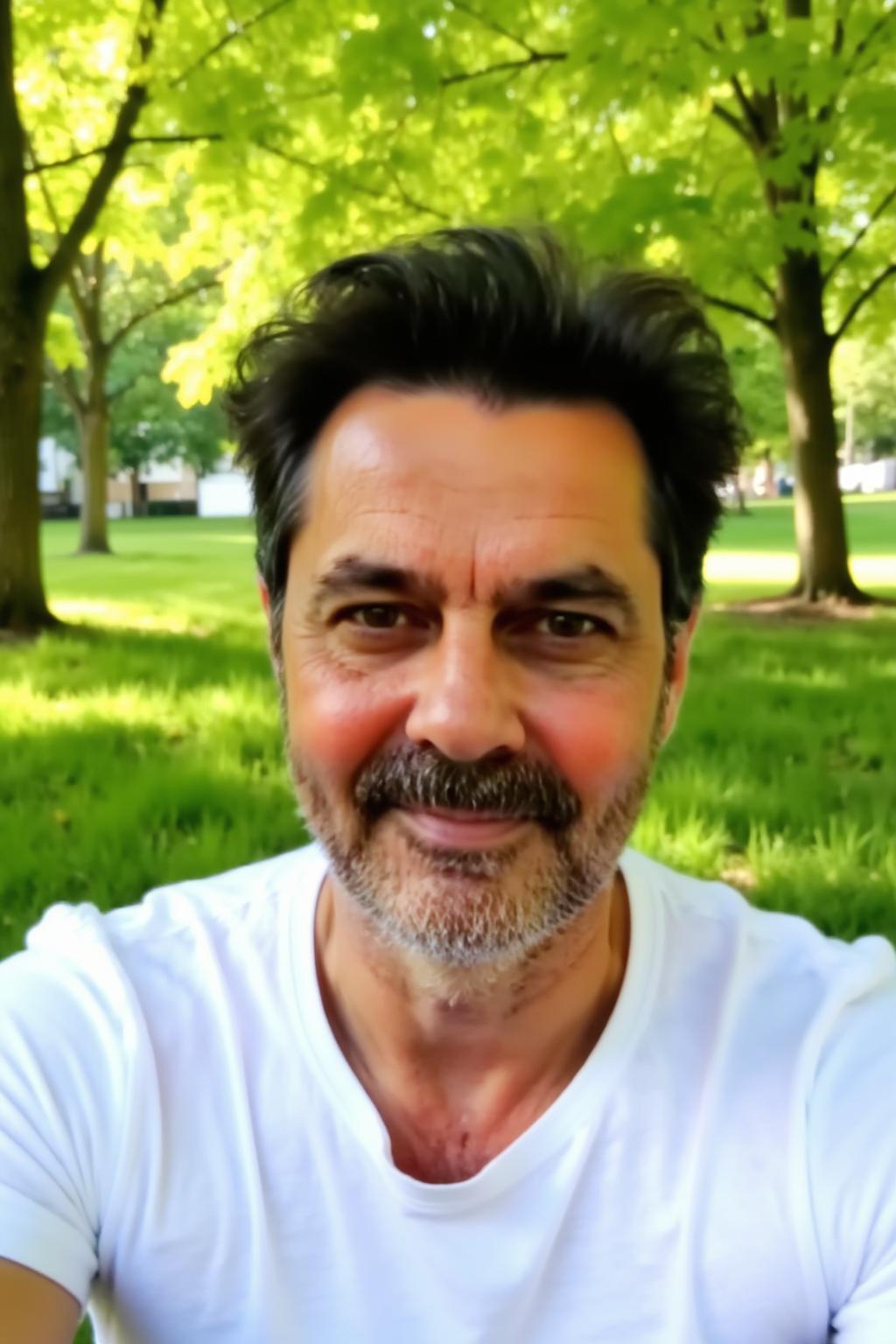 — Bruce & the team at YogaPros